Autor: omdecultură

  • The Glass of Life is Half Empty

    Here are a few basic truths: life is essentially meaningless; your hard work won’t dictate where your life goes; you will be struck down by death; and your loved ones and your achievements will whither and turn to dust. A grim way to look at things perhaps. But a long line of philosophers, starting with the Stoics, have seen wisdom in taking a dim view. As Alain de Botton points out, a pessimistic outlook reduces our expectations, our envy, our disappointment, and it creates room for emotional upside and healthier life decisions. The talk (which features a sing-along to Elton John at the 29 minute mark) runs 38 wisdom-filled minutes, and it’s presented online by The School of Life, a London-based institution co-founded by de Botton in 2008. A big thanks to Miguel for sending this our way…

    Alain de Botton – On Pessimism from The School of Life on Vimeo.

  • Polar Ice Loss Is Accelerating, Scientists Say

    Polar Ice Loss Is Accelerating, Scientists Say

    How are climate change, scarcer resources, population growth and other challenges reshaping society? From science to business to politics to living, our reporters track the high-stakes pursuit of a greener globe in a dialogue with experts and readers.

    One of the largest challenges in climate science is determining how the great ice sheets over Greenland and Antarctica will respond to the increase in temperatures expected from rising concentrations of heat-trapping emissions in the atmosphere.

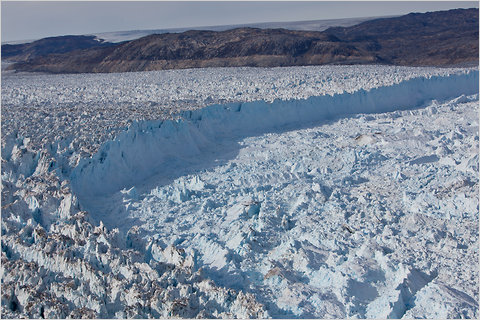
    On Wednesday, a research team led by a NASA scientist unveiled a new study that is sure to stir debate on the topic. The paper concludes that ice loss from both Greenland and Antarctica is accelerating, and that the ice sheets’ impact on sea level rise in the first half of the 21st century will be substantially higher than previous studies had projected.

    The increasing ice loss means that for the first time, Greenland and Antarctica appear to be adding more to sea-level rise than the world’s other reserves of ice — primarily mountain glaciers, which are also melting because of rising temperatures. In 2006 alone, the study estimated that the two ice sheets lost roughly 475 billion metric tons of ice.

    “The big deal is that we did not expect ice sheets to catch up with mountain glaciers so soon,” said Eric Rignot, a climate researcher with NASA’s Jet Propulsion Laboratory and the lead author of the study.

    If the rates of melting observed in the study were to continue, the ice sheets could add nearly six inches to global sea rise in the next forty years — a far larger contribution than the United Nations Intergovernmental Panel on Climate Change, the international scientific body, has projected.

    The study’s findings that ice loss in Greenland has accelerated strikingly over the past two decades are largely in line with the conclusions of other researchers. But the estimate that Antarctica is also rapidly shedding ice was challenged by other scientists, who believe the continent’s ice sheet remains largely in balance.

    “We think that their estimate of the loss from Antarctica is much too large,” said Jay Zwally, a glaciologist with NASA’s Goddard Space Flight Center.

    Dr. Zwally agreed that rapid warming on the Antarctic peninsula has sped the flow of that region’s glaciers into the sea, but said that other research showed increased snowfall in other areas had probably kept the ice sheet’s overall mass stable.

    Dr. Rignot said he stood by his conclusions about Antarctica, which were derived from data from two independent measurement techniques dating back 20 years. But he acknowledged that the size, complexity and remoteness of the continent’s massive ice sheet made accurate calculations of ice loss extremely challenging — far more so than in Greenland, where the ice sheet is much smaller and existing observational data is far more detailed.

    “Antarctica is a more difficult beast to figure out,” he said. “I don’t think we can claim to really understand the evolution of the Antarctic system at present.”

    The study will be published this month in the journal Geophysical Research Letters.
    • Portrete de femei 1960 -1980

      Portrete de femei 1960 -1980

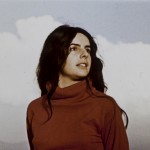
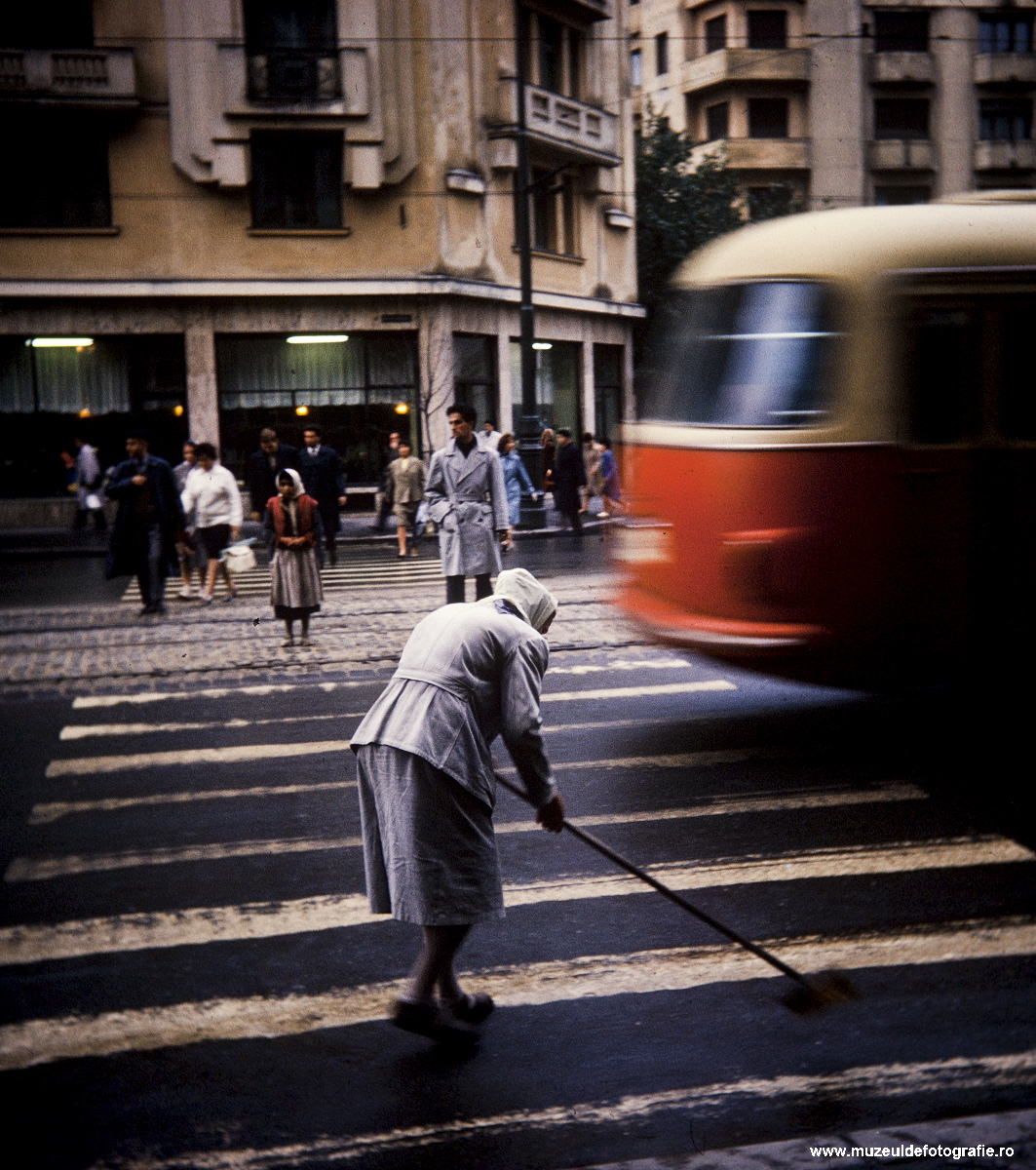
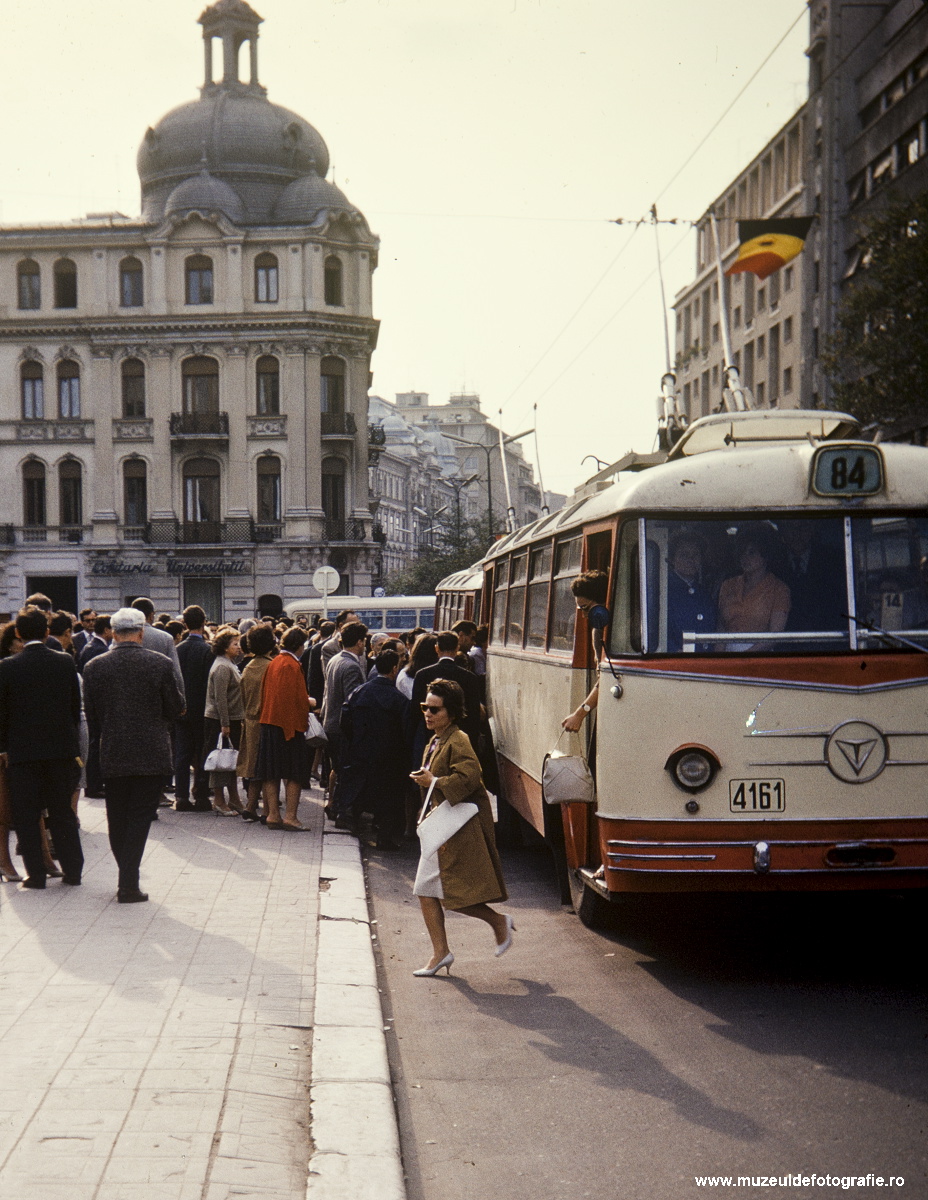
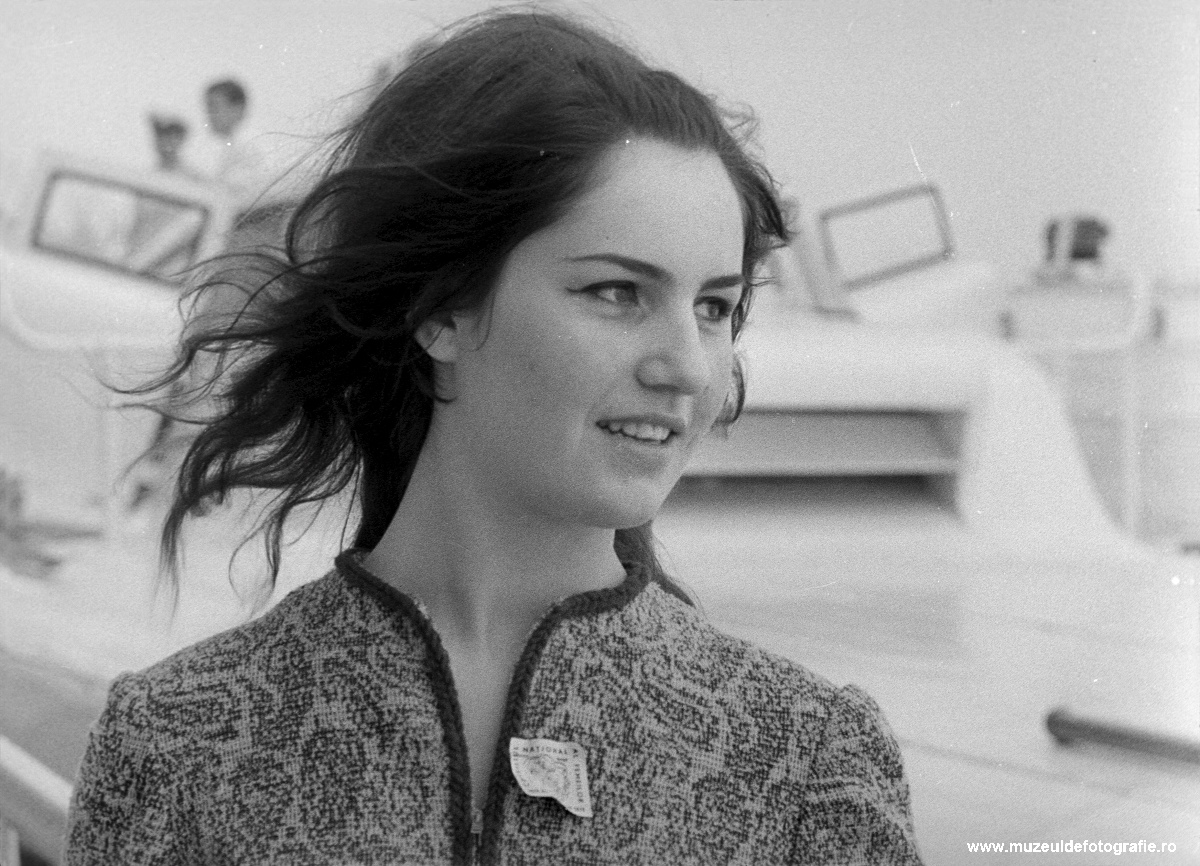
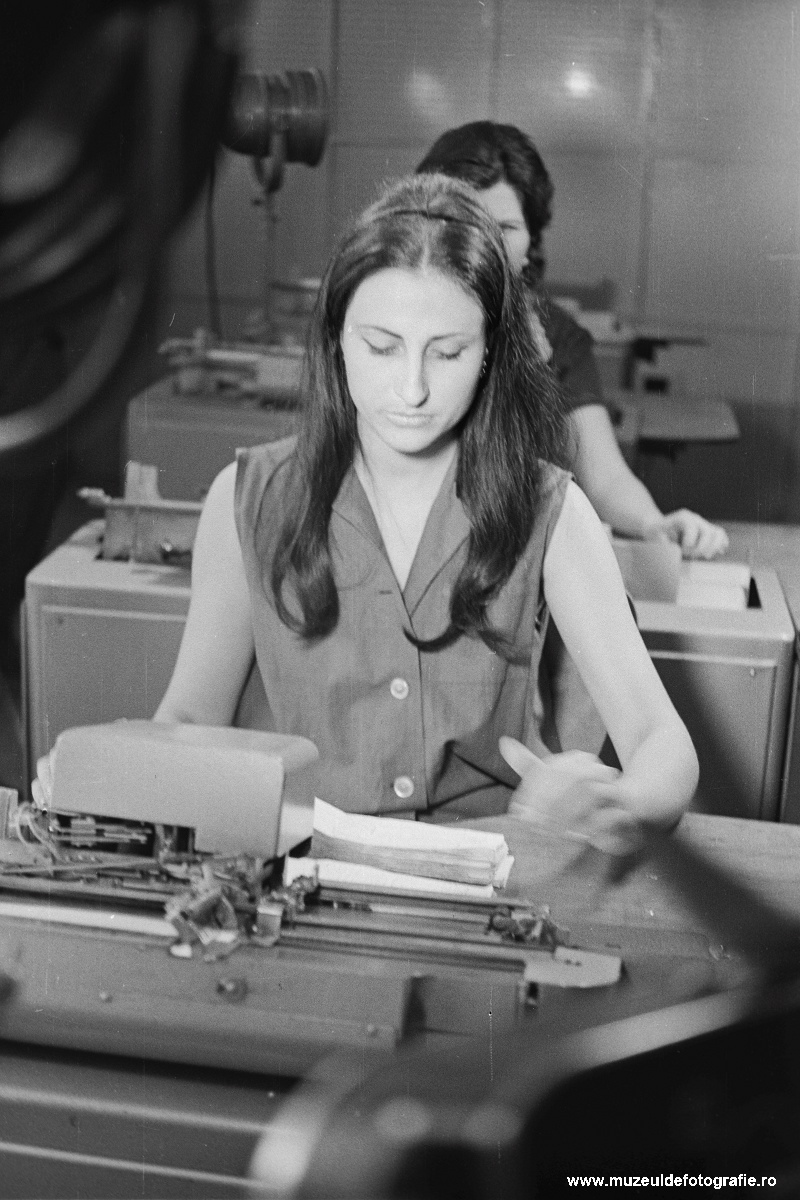
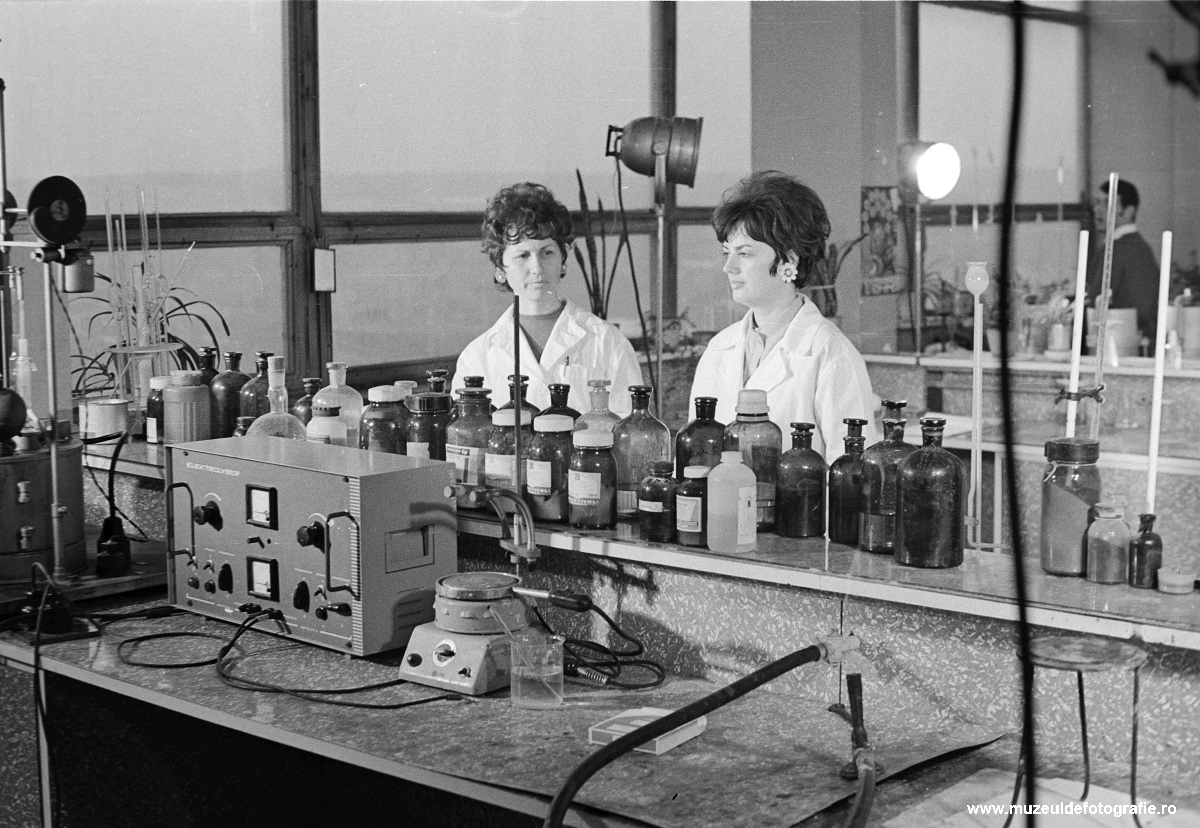
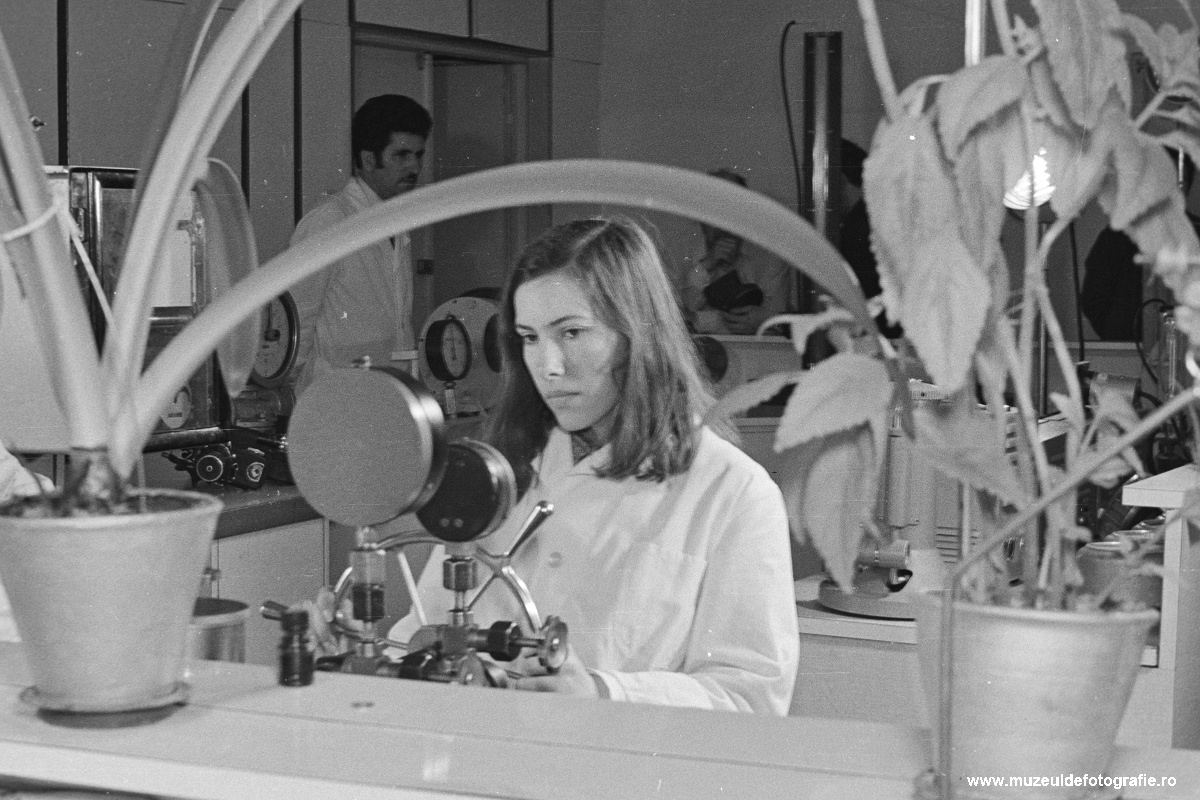
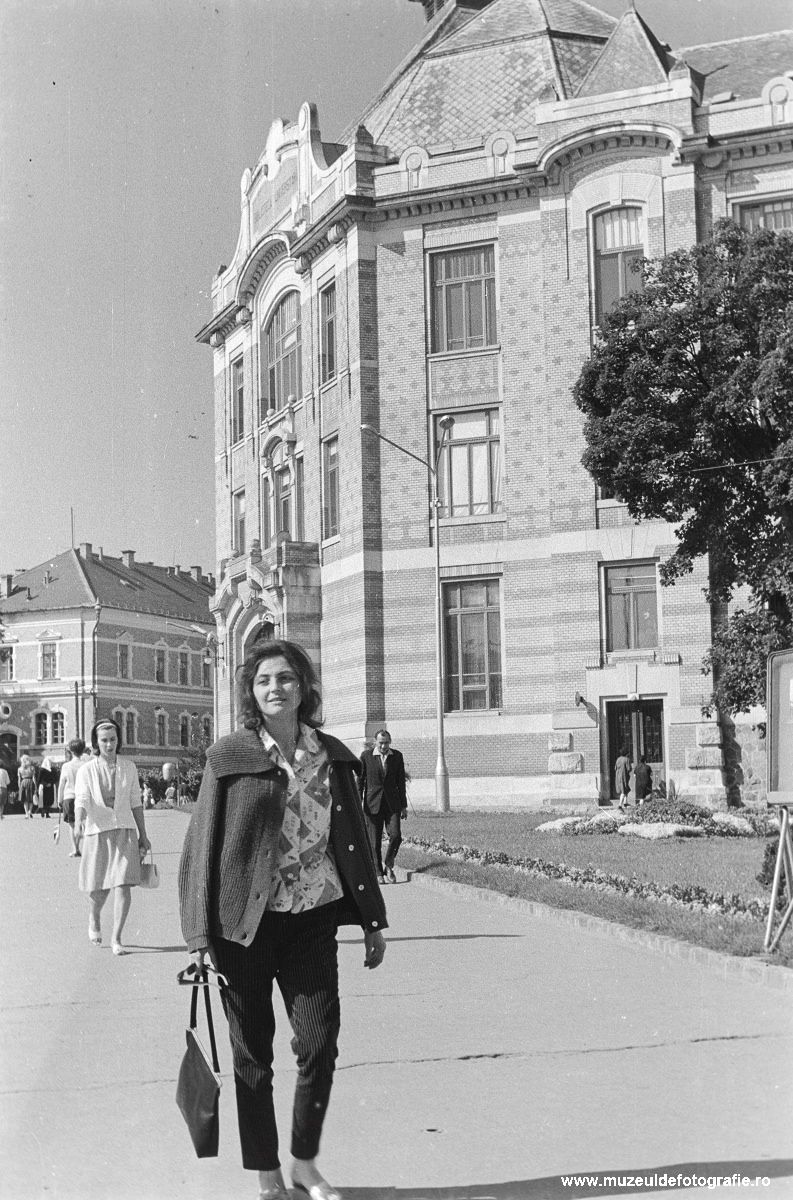
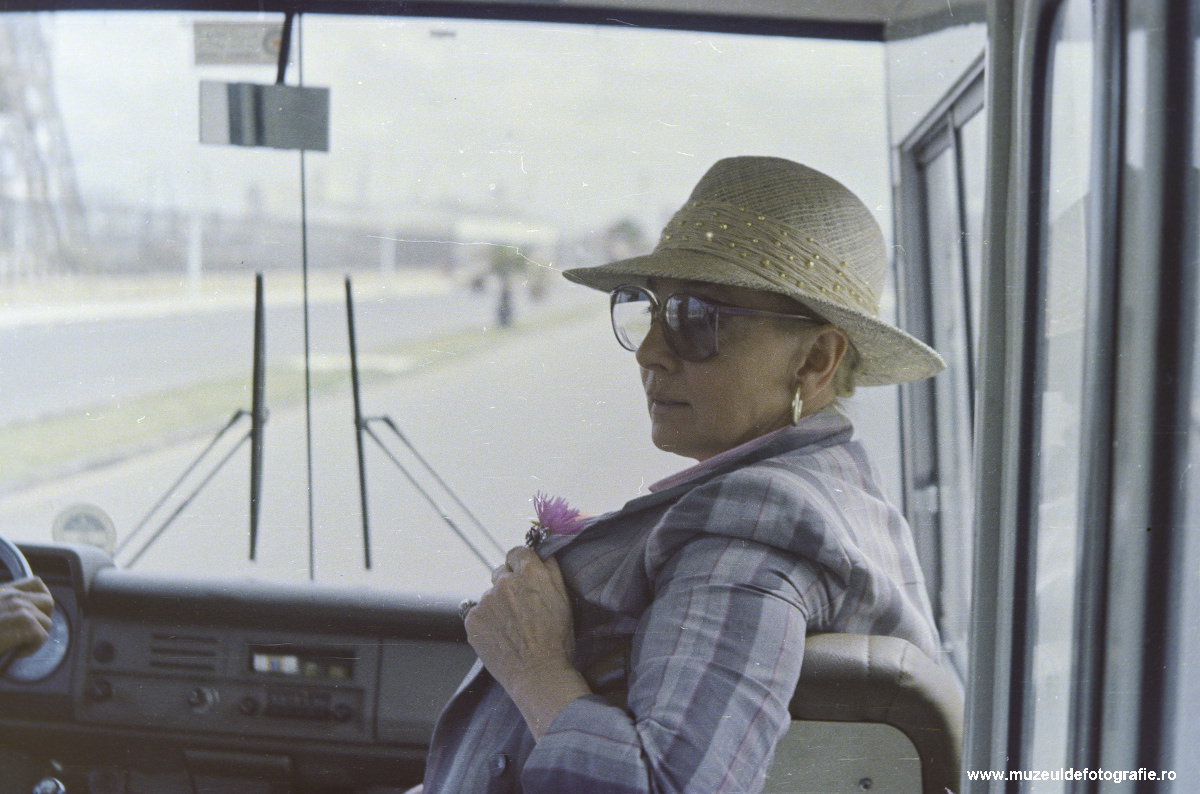
      Este 1 Martie, nu putea fi vorba de un moment mai bun. Am descoperit prin arhiva diverse portrete ale unor femei realizate cu 30, 40 sau chiar 50 de ani in urma. Este un material documentar din care reies multe detalii legate de modul in care evolua viata in perioada comunista. Vestimentatia, expresia, contextul, toate sunt foarte relevante. Este necesara chiar si o comparatie cu un articol mai vechi despre femeile de la 1900.Vorbim de anii 60 ce inca mai prezentau urme ale sovietizarii din decada precedenta, de anii 70 cu usoara deschidere spre occident, dar si de anii 80 cu greutatile economice si cultura progreselor agricole… la hectar. La multi ani de 1 Martie!

      http://www.muzeuldefotografie.ro/wp-content/uploads/2011/03/MG_9001.jpg

      http://www.muzeuldefotografie.ro/wp-content/uploads/2011/03/MG_9029.jpg

      http://www.muzeuldefotografie.ro/wp-content/uploads/2011/03/MG_9304.jpg

      http://www.muzeuldefotografie.ro/wp-content/uploads/2011/03/MG_9347.jpg

      http://www.muzeuldefotografie.ro/wp-content/uploads/2011/03/MG_9377.jpg

      http://www.muzeuldefotografie.ro/wp-content/uploads/2011/03/MG_9373.jpg

      http://www.muzeuldefotografie.ro/wp-content/uploads/2011/03/MG_9380.jpg

      http://www.muzeuldefotografie.ro/wp-content/uploads/2011/03/MG_9440.jpg

      http://www.muzeuldefotografie.ro/wp-content/uploads/2011/03/MG_9448.jpg

    • Ion Grigorescu by Alex Galmeanu

      Zilele trecute am avut experienta realizarii unui interviu cu un om deosebit. Am vorbit cu Ion Grigorescu despre conditia si posibilitatile de creatie ale artistilor in perioada comunista dar si despre fotografia si filmul experimental romanesc. Nascut in Bucuresti in 1945, Ion Grigorescu, pictor, fotograf si artist media, este unul dintre cei mai importanti experimentalisti din cadru artei contemporane romanesti. Absolvent al Universitatii de Arte Plastice, isi incepe activitatea in 1970 si se pozitioneaza ca unul dintre primii artisti romani ce utilizeaza filmul ca mediu de exprimare dar si ca pionier al fotografiei experimentale.

      Opera sa artistica cuprinde lucrari de desen, pictura, gravura, pictura si restaurare bisericeasca, icoane, fotografie si arta video, texte teoretice, pagini de jurnal sau studii despre istoria fotografiei. Artistul abordeaza teme sociale, politice dar si lucrari legate de sexualitatea si expresivitatea corpului uman (body art). Contestatar al regimului comunist, isi desfasoara o parte a activitatii pe ascuns, autocenzurandu-se. Filme ca “Dialog cu Nicolae Ceausescu” realizate in anii 70-80, aveau sa apara public si sa devina celebre dupa 1989. Ion Grigorescu a expus in Sao Paulo, Glasgow, Amsterdam, Viena, Venetia, Roma, Ljublijana, Stockholm, Graz, Paris, Milano, Stuttgart, Varsovia, Berlin, Bradford, Glasgow, Bratislava, Lisabona. Londra, etc.

    • “Urmuz” a spart gheata

      “Urmuz” a spart gheata

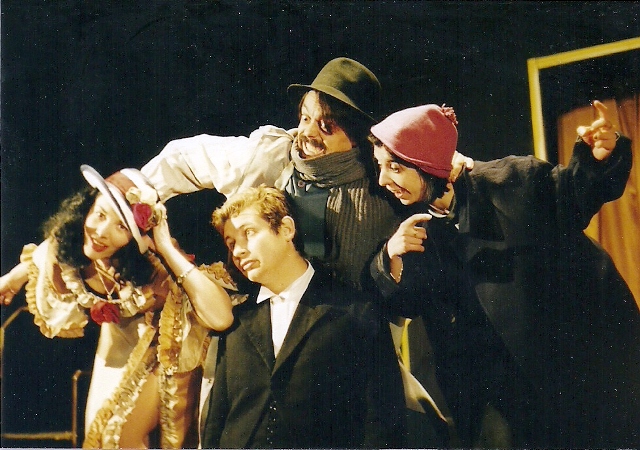
      “Urmuz” a spart gheata este un articol semnat de Florenta Andronache si aparut in ziarul tulcean “Delta” din ziua de luni 17 aprilie 2000. Stagiunea 1999-2000 a teatrului “Urmuz” s-a imbogatit joi, 13 aprilie cu o noua premiera. Dupa montarea piesei maziliene “Prostii sub clar de luna”, mai greu acceptata de public si chiar de critici, Centrul Artistic Judetean, prin regizorul Ion Dore si trupa de actori, a atacat dramaturgia rusa, prezentind “Trei farse” de A.P.Cehov, “Cerere in casatorie”, “Ursul” si “Jubileul” sunt trei farse scrise intr-un singur act care se integreaza perfect in complexitatea dramaturgiei cehoviene, caracterizata in primul rand prin detectarea curentilor de profunzime ai sufletului omenesc, pe conflictele latente sau ascunse si avand drept materie primordiala ratarea existentei.

      Actorii si Cehov au ridicat sala in picioare

      La premiera de miercuri, actorii de la “Urmuz” au avut parte de o sala arhiplina, publicul, in mare parte, tanar, savurind spectacolul oferit, punctind nenumarate momente cu aplauze chemind ridicati in picioare, actorii la rampa, felicitindu-i si multumindu-le pentru prestatia din timpul spectacolului. Interpretarea a accentuat comicul “teatralizind” multe dintre scene, adaptindu-le astfel nevoii de defulare prin ras a publicului. La acest lucru a contribuit din plin si rolul personajului tablou interpretat de Voicu Hetel in “Ursul” cu inteligenta profitind si raspunzind la reactiile publicului.

      Admirat de curand in rolul bufonului Feste din “A XII-a noapte”, Valentin Potrivitu a intrupat cu mare talent rolul tatalui preocupat sa scape de grija maritisului fetei, in “Cerere in casatorie”, alaturi de Rodica Bistriceanu si Vitalie Ursu, aflat in rolul pretendentului pragmatic, intr-una din zilele sale mai slabe. Personajul Luka, servitorul umil, credincios, dar slab de inger, din “Ursul” si cel al functionarului de banca constiincios si surmenat, Nicolaevici Hirin, din “Jubileul”, au entuziasmat publicul in interpretarea aceluiasi Valentin Potrivitu. Acelasi impact l-au generat si Voicu Hetel, in rolul lui Andrei Sipucin, un caz tipic de grandomanie ca revers al saraciei spirituale, Catalina Cristea intr-o interpretare de zile mari a ciudatei Merciutkina, din “Jubileul” si Veronica Gheorghe intr-o vaduva mai temperamentala decat si-ar fi imaginat-o Cehov, reusind alaturi de partenerul ei, Valentin Ghibaltovschi sa capteze atentia si simpatia publicului.

      “Jubileul”, ultima piesa prezentata, a oferit in final, o scena apoteotica, in care personajele aflate in pragul nebuniei, au transmis in sala fiorul participarii directe, amestecindu-se pentru cateva momente identitatile si transferindu-se intr-o lume poate mai reala decat cea din care au evadat.

      Felicitari, “Urmuz”!

    • Vasile Alecsandri? si ce?

      Vasile Alecsandri? si ce?

      Dau ieri drumul la TV, la stiri si ce aud? Casa poetului Vasile Alecsandri din Bacau a luat foc de doua ori intr-o zi.  Casa memoriala parasita de 30 de ani… “Ce traditie? Care cultura? Ce renovare? Lasati-ne domnule cu prostiile…” Se pare ca o astfel de categorie as putea face pentru fiecare oras din tara. Doar, am intrat intr-un nou an iar cei care ar trebui sa aiba un minim de responsabilitate merg pe principiul S.S.D.D. (unde al doilea “s” ar putea fi inlocuit cu “h”  de la habits)

    • Peter Paul Rubens

      Peter Paul Rubens

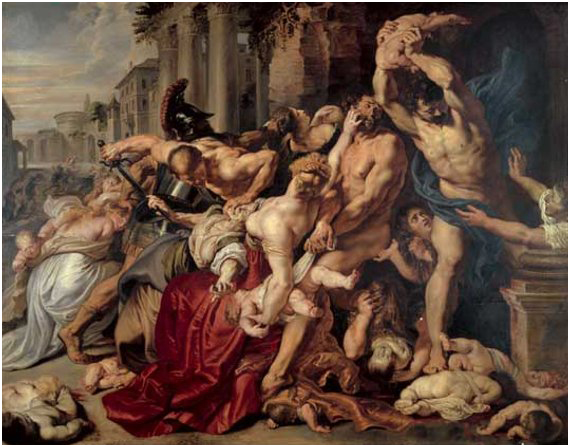
      Masacrul inocentilor este reprezentativa pentru scoala de pictura baroca. Dramatismul, adancimea culorilor, umbrele sunt toate parte ale acestui curent in pictura anilor 1600, dar si mult timp dupa.  Lucrarea este o capodopera a detaliului. Se remarca si prin faptul ca a fost vanduta ultima oara cu 76.7 milioane $, fiind in top zece cele mai scumpe picturi din lume.
      *

    • Bucurestiul de altadata

      Bucurestiul de altadata

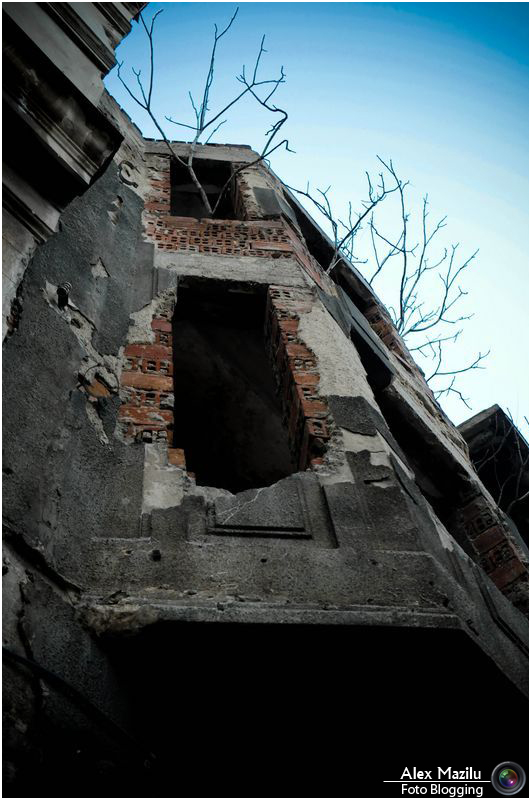
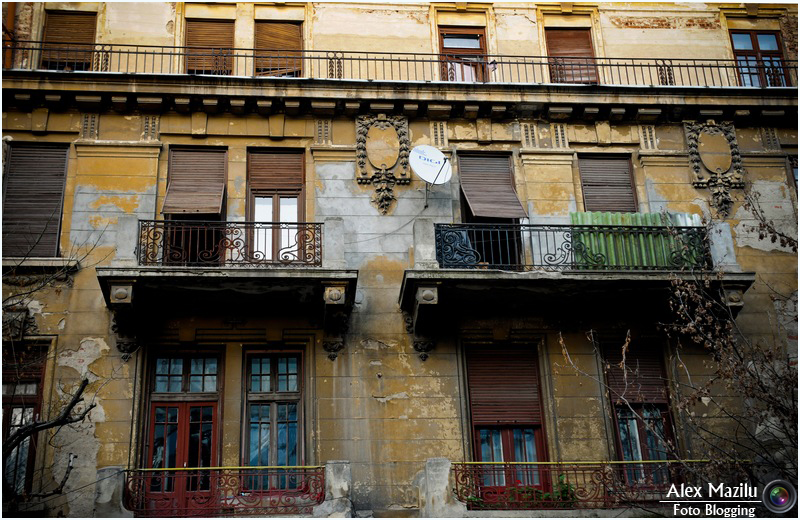
      Citeam un anunt pe un oarecare site. Vand casa (evident intr-un stadiu deplorabil) undeva langa Rosetti. Pret: 500.000 euro. Candva, o bijuterie arhitectonica de vreo 250 metri patrati… astazi, existand pentru a fi daramata si evident, inlocuita de un “P+20? (daca ar fi posibil, fara parcare subterana). Doar se circula exceptional in zona, nu?

      Tot aici, pe Hristo Botev, timpul si “autoritatile” au invins o alta cladire…

    • Digital Camera Photographer of the Year 2010: winners – Telegraph

      After months of waiting, the Digital Camera Photographer of the Year 2010 can finally be revealed. Exit Wave by Jon Wright of Australia is the winning photograph in this year’s competition chosen from over 114,000 entries. His picture was also the winner of the Adrenaline category. Of the photograph Jon says, "This underwater photograph was taken at Duranbah beach near the Gold Coast City in Australia. Beautiful clear waters and fine waves were on offer. As the set waves approach, I held my breath and dived deep, opening my eyes underwater to get myself in the perfect position. Shooting on high-speed continuous enabled me to choose the perfect single shot." Jon, who is just 24, developed a love of photography from a very early age, but only began taking his own photos three years ago with his first camera, a Canon EOS 40D. "Most of my photos are inspired by what nature has to offer in and around the ocean," he says. "I broke my back in three places after a surfing accident, but I managed to continue my love and passion for the water through my photography. I continue to search for the perfect picture, and on my way hope to inspire others to be creative and enjoy what life has to offer."
      Picture: Digital Camera Photographer of the Year 2010 / Jon Wright

    • Impresionismul in Normandia

      L’impressionnisme est-il né en Normandie, comme l’affirme Jacques-Sylvain Klein, le commissaire général des multiples manifestations qui auront lieu tout l’été de Cherbourg à Rouen, en passant par Caen, Giverny et d’autres hauts lieux de la peinture, dans la seconde moitié du XIXesiècle?? C’est aller un peu vite quand bien même nombre de peintres concernés passèrent par la Normandie, que Monet fut l’élève de Boudin et que c’est son tableau Impression, soleil levant, peint en 1872 au Havre, qui vit la naissance du mot avec l’exclamation d’un critique hostile?: «Impression, impression, bande d’impressionnistes.» Mais cela se passait à Paris en 1874, et les peintres qui exposent alors dans les anciens salons du célèbre photographe Nadar peignent à Argenteuil, en forêt de Fontainebleau, même en Bretagne…

      une terre aimée des peintres Et c’est, quoi qu’on en dise, en forêt de Fontainebleau, en 1865, que Monet peint pour la première fois le tronc d’un chêne en bleu avec en premier plan un rang de fougères en orange, en donnant la sensation de l’ombre et de la distance, inaugurant ainsi cette révolution de la couleur qui va marquer la nouvelle peinture et ouvrir la voie par la suite aux fauves et à toute une partie de la peinture moderne, qui verra la couleur précisément conquérir son autonomie. Cela dit, il est bien vrai que la Normandie a bien été, depuis les aquarellistes anglais dans la première partie du siècle, dont l’exceptionnel Bonnington, disparu prématurément, une terre aimée des peintres, avec la rencontre de la pratique en plein air et de l’invention du chemin de fer, rendant familiers les voyages de Paris vers la côte. Quoi qu’il en soit, le thème est l’occasion d’une telle floraison d’expositions, débats et autres, impliquant au total une soixantaine de villes et trois fois plus de lieux, qu’il est impossible d’en rendre compte.

      cette recherche obstinée des variations de la lumière On ne peut faire l’impasse toutefois sur la grande exposition du musée des Beaux-Arts de Rouen, autour de Gauguin, Pissarro et Monet. D’abord parce que plus d’une dizaine de toiles de la série des Cathédrales de Rouen qui obséda ce dernier en 1892 et 1893 s’y trouvent rassemblées, démontrant à l’envi cette recherche obstinée des variations de la lumière qui conduira le peintre jusqu’à son étang de Giverny. Ensuite parce que la série des Ponts de Rouen de Camille Pissarro fait certainement partie des moments les plus riches de son œuvre, avec ces étonnants empâtements d’où la foule jaillit. Mais c’est aussi sur quelques découvertes que l’on peut s’arrêter, avec les peintres dits «de Rouen», méconnus. Joseph Delattre, Charles Angrand ou encore Albert Lebourg méritent beaucoup plus qu’un regard distrait. Parmi toutes ces manifestations, citons, par choix personnel, le festival de la Côte d’Albâtre à Dieppe et dans ses environs, avec une bonne place pour l’art contemporain, et, dans le Cotentin et à La Hague, les chemins à la découverte de Jean-François Millet.